- Messages
- 18
Mosin Accuracy: Why Shims Work
One of the biggest misconceptions surrounding the Mosin-Nagant is that accuracy is determined solely by the barrel. It isn't. If it were, the Finns wouldn't have spent so much time shimming and bedding their rifles.
The Mosin-Nagant action sits in a wooden stock. Wood compresses, shrinks and swells. Wartime production tolerances varied considerably, and the result is that many Mosins do not sit consistently in their stocks. A rifle can have an excellent bore and still shoot poorly if the action is moving around under recoil.
This is why one of the first things I recommend to folks seeking better accuracy and precision is proper shimming.
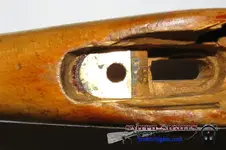
The first point of contact on the Mosin is the tang. Shim it. (Note: This stock has pillar bedding installed, but the shims are used with the pillar bedding and the principle remains the same without pillars in place.)
Accuracy Versus Precision
These terms are often used interchangeably, but they are not the same thing: Accuracy is how close your group is to the point of aim. Precision is how close the shots are to one another.
A rifle can be precise but not accurate. That's easy to fix. You simply adjust the sights. A rifle that lacks precision is another matter entirely. When groups open up, there is a mechanical reason. On the Mosin-Nagant, inconsistent bedding is frequently part of the problem.
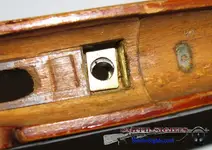
The second point of receiver contact on the Mosin is where the front screw goes through the recoil lug. Shim it.
What the Finns Learned
The Finns took the Mosin-Nagant and transformed it from a basic 19th Century Russian military rifle into one of the finest service rifles ever fielded. They did not accomplish this through magic, but rather paid attention to stock fit, bedding, barrel pressure, and trigger quality.
Many of the principles behind shimming come directly from techniques popularized by the Finns. Proper support of the receiver, consistent positioning of the action, and controlled barrel pressure all contribute to improved precision.
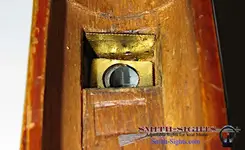
The third point of contact is the recoil lug cross bolt. You should position a vertical shim on the front face of the recoil lug recess to ensure tight contact between the recoil lug and recoil lug cross bolt.
Why We Use Brass
Sometimes, I see aluminum shims recommended. Steel and aluminum do not play nicely together over the long term.
I choose to use brass because brass won’t introduce galvanic corrosion when used with steel, and doesn’t rust like steel shims can.
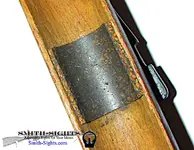
The third point of contact on a Mosin is at the front barrel band. The bottom pressure pad, located at the front barrel band, ensures a single point of barrel contact. Random pressure points along the barrel shift the point-of-impact as the barrel heats, and it's critical we control this. The top pressure pad (not shown) sets directly above the bottom pressure pad and further centers the barrel, preventing the random pressure points and helping to balance the pressure applied by the bottom pad.
What Shimming Actually Does
Many shooters imagine that shimming somehow "tightens" the rifle, but that's not really the goal. The goal is repeatability, and that requires the recoil lug to bear consistently, the action to set consistently, and the barrel to experience consistent pressure. The action screws should never absorb recoil forces; this cracks stocks. Doing this allows the rifle to be more predictable shot-to-shot, producing precision.
The Most Overlooked Accuracy Modification
Shimming isn’t flashy. It’s just a basic modification that doesn’t cost a lot, and therefore one people overlook because they’re so used to seeing scopes and all sorts of other gadgets hanging off firearms.
Thing is, these gadgets allow the operator to take advantage of the precision that should already be build into the rifle – by bedding, which includes the shimming method.
No Permanent Modifications
One of the advantages of shim bedding is that it requires no permanent changes to the rifle. If you decide to return the rifle to its previous configuration, simply remove the shims. There are no permanent alterations to a collectible firearm. This is important to many Mosin and other milsurp owners. These rifles have survived wars, political upheaval, and decades of storage. There is no reason to permanently modify one when a reversible solution is available.
The Mosin Is Better Than Most People Think
I have spent years listening to people explain why the Mosin-Nagant is inaccurate, but most of them have never actually tried to make one shoot. A properly fitted Mosin with good bedding, proper barrel pressure, decent ammunition, and a competent shooter behind it is capable of far better performance than its critics would have you believe. I've proven that repeatedly over the years. Before condemning your rifle, make sure it is properly fitted to its stock. You may be surprised at how well it shoots.
Regards,
Josh
One of the biggest misconceptions surrounding the Mosin-Nagant is that accuracy is determined solely by the barrel. It isn't. If it were, the Finns wouldn't have spent so much time shimming and bedding their rifles.
The Mosin-Nagant action sits in a wooden stock. Wood compresses, shrinks and swells. Wartime production tolerances varied considerably, and the result is that many Mosins do not sit consistently in their stocks. A rifle can have an excellent bore and still shoot poorly if the action is moving around under recoil.
This is why one of the first things I recommend to folks seeking better accuracy and precision is proper shimming.
The first point of contact on the Mosin is the tang. Shim it. (Note: This stock has pillar bedding installed, but the shims are used with the pillar bedding and the principle remains the same without pillars in place.)
Accuracy Versus Precision
These terms are often used interchangeably, but they are not the same thing: Accuracy is how close your group is to the point of aim. Precision is how close the shots are to one another.
A rifle can be precise but not accurate. That's easy to fix. You simply adjust the sights. A rifle that lacks precision is another matter entirely. When groups open up, there is a mechanical reason. On the Mosin-Nagant, inconsistent bedding is frequently part of the problem.
The second point of receiver contact on the Mosin is where the front screw goes through the recoil lug. Shim it.
What the Finns Learned
The Finns took the Mosin-Nagant and transformed it from a basic 19th Century Russian military rifle into one of the finest service rifles ever fielded. They did not accomplish this through magic, but rather paid attention to stock fit, bedding, barrel pressure, and trigger quality.
Many of the principles behind shimming come directly from techniques popularized by the Finns. Proper support of the receiver, consistent positioning of the action, and controlled barrel pressure all contribute to improved precision.
The third point of contact is the recoil lug cross bolt. You should position a vertical shim on the front face of the recoil lug recess to ensure tight contact between the recoil lug and recoil lug cross bolt.
Why We Use Brass
Sometimes, I see aluminum shims recommended. Steel and aluminum do not play nicely together over the long term.
I choose to use brass because brass won’t introduce galvanic corrosion when used with steel, and doesn’t rust like steel shims can.
The third point of contact on a Mosin is at the front barrel band. The bottom pressure pad, located at the front barrel band, ensures a single point of barrel contact. Random pressure points along the barrel shift the point-of-impact as the barrel heats, and it's critical we control this. The top pressure pad (not shown) sets directly above the bottom pressure pad and further centers the barrel, preventing the random pressure points and helping to balance the pressure applied by the bottom pad.
What Shimming Actually Does
Many shooters imagine that shimming somehow "tightens" the rifle, but that's not really the goal. The goal is repeatability, and that requires the recoil lug to bear consistently, the action to set consistently, and the barrel to experience consistent pressure. The action screws should never absorb recoil forces; this cracks stocks. Doing this allows the rifle to be more predictable shot-to-shot, producing precision.
The Most Overlooked Accuracy Modification
Shimming isn’t flashy. It’s just a basic modification that doesn’t cost a lot, and therefore one people overlook because they’re so used to seeing scopes and all sorts of other gadgets hanging off firearms.
Thing is, these gadgets allow the operator to take advantage of the precision that should already be build into the rifle – by bedding, which includes the shimming method.
No Permanent Modifications
One of the advantages of shim bedding is that it requires no permanent changes to the rifle. If you decide to return the rifle to its previous configuration, simply remove the shims. There are no permanent alterations to a collectible firearm. This is important to many Mosin and other milsurp owners. These rifles have survived wars, political upheaval, and decades of storage. There is no reason to permanently modify one when a reversible solution is available.
The Mosin Is Better Than Most People Think
I have spent years listening to people explain why the Mosin-Nagant is inaccurate, but most of them have never actually tried to make one shoot. A properly fitted Mosin with good bedding, proper barrel pressure, decent ammunition, and a competent shooter behind it is capable of far better performance than its critics would have you believe. I've proven that repeatedly over the years. Before condemning your rifle, make sure it is properly fitted to its stock. You may be surprised at how well it shoots.
Regards,
Josh